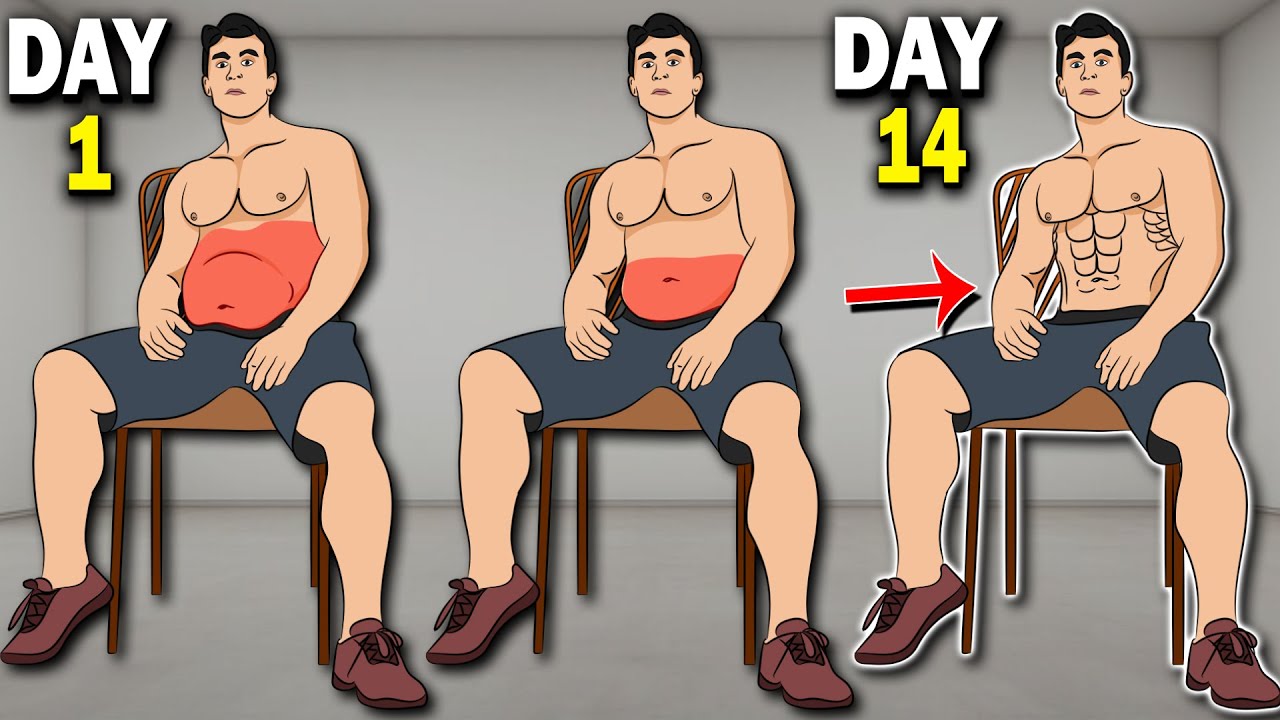
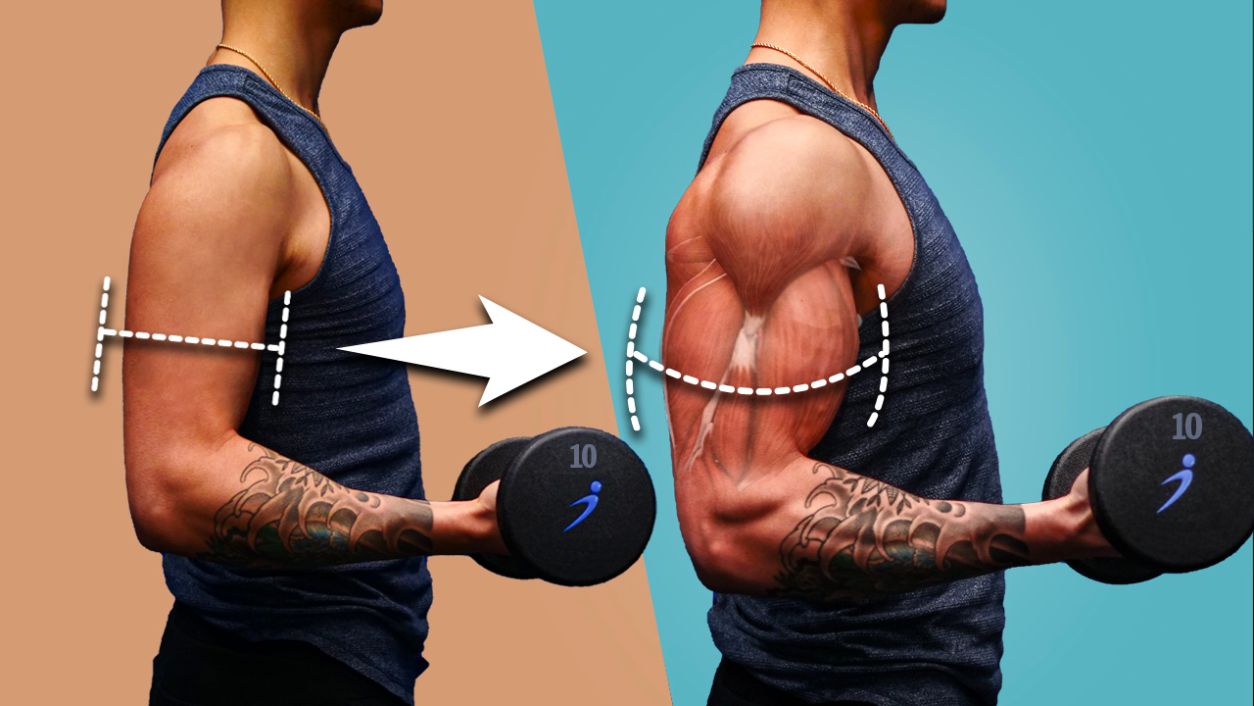
If you’ve been hitting the gym regularly but your strength gains have slowed down, you’re not alone. The secret to consistent progress in fitness lies in a single principle — progressive overload.

In simple words, progressive overload means gradually increasing the stress or challenge on your muscles over time. This continuous increase forces your body to adapt, get stronger, and grow lean muscle. Whether you’re following a push-pull-legs (PPL) workout, using resistance bands, or just lifting dumbbells at home, progressive overload is what makes the difference between staying the same and getting stronger.
Did You Know?
Studies show that even small progressive increases (5–10% load) every few weeks can lead to 20–30% higher strength gains over time compared to static training.
Why Progressive Overload is the Key to Strength Training
Before we dive into the nine methods, it’s important to understand why progressive overload works so effectively.
When you lift weights or perform resistance exercises, your muscles experience micro-tears. During rest and recovery, your body repairs these tears, making the muscles slightly stronger than before. Without progressive overload, your muscles simply maintain their current strength — no growth, no change.
This principle applies to every type of exercise — whether it’s bench press, squats, or even treadmill running. As your body adapts, it becomes more efficient, so you must gradually make workouts harder to continue progressing.
Here’s how progressive overload works in a simple table:
| Stage | Action | Muscle Response | Result |
|---|---|---|---|
| 1 | Start lifting a manageable weight | Muscles adapt to new stress | Initial strength gain |
| 2 | Increase load or volume | More muscle fibers activated | Growth and endurance |
| 3 | Maintain consistent overload | Enhanced strength and tone | Visible progress |
| 4 | Add new variations | Break plateau | Continuous development |
“Your body won’t change unless you give it a reason to.”
That’s the essence of progressive overload — continuous challenge leads to continuous improvement.
1. Gradually Increase the Weight You Lift
The most direct and effective way to apply progressive overload is to slowly increase the weights you lift. It’s not about ego lifting — it’s about controlled progress.
Example:
If you can squat 60 kg for 10 reps, try 62.5 kg next session. These small increments build big strength over time.
Pro Tip:
Always maintain proper form. Increasing weight too fast without control can lead to injuries that delay your progress.
2. Add More Reps or Sets
Another method of progressive overload is increasing your total workout volume — meaning more reps or sets with the same weight.
Example:
Week 1: 3 sets × 8 reps
Week 2: 4 sets × 8 reps
Week 3: 4 sets × 10 reps
This gradual overload increases total time under tension, helping your muscles grow stronger.
Pro Tip:
Track every rep and set in a fitness app — it’s the only way to ensure real progress.
3. Improve Your Exercise Form and Range of Motion
Improving your movement quality is another subtle but powerful way to apply progressive overload. Instead of rushing reps, focus on slowing down and using full range of motion.
Example:
Performing deeper squats or controlled push-ups makes the same exercise harder — meaning greater overload and muscle engagement.
Case Study:
According to the Journal of Strength and Conditioning Research, lifters who focused on controlled reps experienced 15% higher muscle activation than those with faster, incomplete reps.
Pro Tip:
Use mirrors or record short videos to evaluate your form weekly.
4. Decrease Rest Time Between Sets
Want to make your workouts more intense without adding weight? Shorten your rest periods. Reducing rest from 90 seconds to 60 seconds keeps your muscles under tension for longer, creating progressive overload through intensity.
Pro Tip:
Set a timer between sets. Consistency in rest time helps measure real improvements in endurance and strength.
5. Increase Training Frequency
Training a muscle group more often (like twice a week instead of once) can multiply the effects of progressive overload. This doesn’t mean overtraining — it means spreading your weekly volume wisely.
Example:
If you train back on Monday, add another light session on Friday focusing on different angles or rep ranges.
Pro Tip:
Follow a structured Push-Pull-Legs (PPL) routine. You can check our blog — 6 Powerful PPL Workout for Beginners to Build Strength and Muscle — for a complete guide.
6. Apply Tempo Training (Time Under Tension)
Tempo training is a game-changer for progressive overload. Slowing down your lifts increases the “time under tension,” making each rep harder and more effective.
Example:
Lower the weight in 3 seconds, hold for 1 second, and lift in 1 second (known as 3-1-1 tempo).
Pro Tip:
Try slow eccentric movements (lowering phase) — this causes more muscle breakdown, leading to faster strength gains.

7. Use Advanced Training Techniques
Once you’re comfortable with the basics, try advanced progressive overload methods:
- Drop Sets: Reduce weight after failure and continue reps.
- Supersets: Combine two exercises without rest.
- Pyramid Sets: Increase weight each set, then reduce it.
Learn advanced overload techniques from Bodybuilding.com.
“Intensity beats duration. Focus beats quantity.”
Progressive overload works best when you’re fully focused on form and control, not just adding more weight.
8. Focus on Nutrition and Recovery
Muscle growth doesn’t happen during workouts — it happens during recovery. To make progressive overload effective, your body needs the right fuel.
Tips for Strength Growth:
- Eat a high-protein diet (1.6–2.2g/kg body weight).
- Stay hydrated and get at least 7 hours of sleep.
- Include complex carbs like oats, rice, and sweet potatoes for energy.
Pro Tip:
Avoid overtraining. If your strength performance is dropping, take a deload week — lower weights, fewer sets, more rest.
9. Track Progress and Adjust Regularly
The final step to mastering progressive overload is tracking. You can’t improve what you don’t measure.
Keep a simple workout log — list exercises, weights, sets, and reps. Review every 3–4 weeks to identify progress or plateaus.
| Week | Exercise | Weight (kg) | Sets x Reps | Total Volume |
|---|---|---|---|---|
| 1 | Bench Press | 50 | 3×10 | 1500 |
| 2 | Bench Press | 52.5 | 3×10 | 1575 |
| 3 | Bench Press | 52.5 | 4×10 | 2100 |
| 4 | Bench Press | 55 | 4×10 | 2200 |
Pro Tip:
Adjust one variable at a time — either weight, reps, or rest — to avoid overtraining or confusion.

Common Mistakes to Avoid
- Skipping rest days — Muscles grow when they rest.
- Ego lifting — Bad form ruins results and causes injury.
- Not tracking progress — You lose sight of improvement.
- Ignoring nutrition — You can’t out-train a bad diet.
Final Thoughts
Progressive overload is the backbone of every great training transformation. It’s not just about lifting heavier — it’s about improving your performance in a structured, smart, and sustainable way.
Stay consistent, increase the challenge slightly every week, and remember: small steps lead to massive strength over time. Whether you’re lifting in a gym near you or working out at home, progressive overload is your long-term path to strength, stability, and success.
FAQs
Author Bio
Written by Vikrant Rajput
Vikrant is a certified fitness blogger and founder of TheDigiDine. He simplifies men’s fitness, nutrition, and gym training with evidence-based guides. His goal is to help people build strong, sustainable fitness habits without confusion.