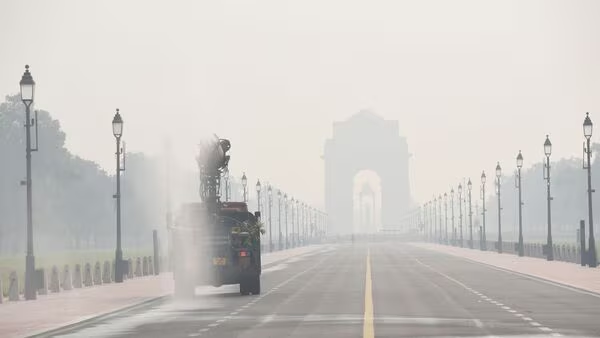
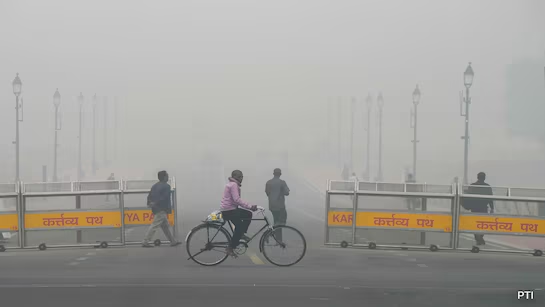
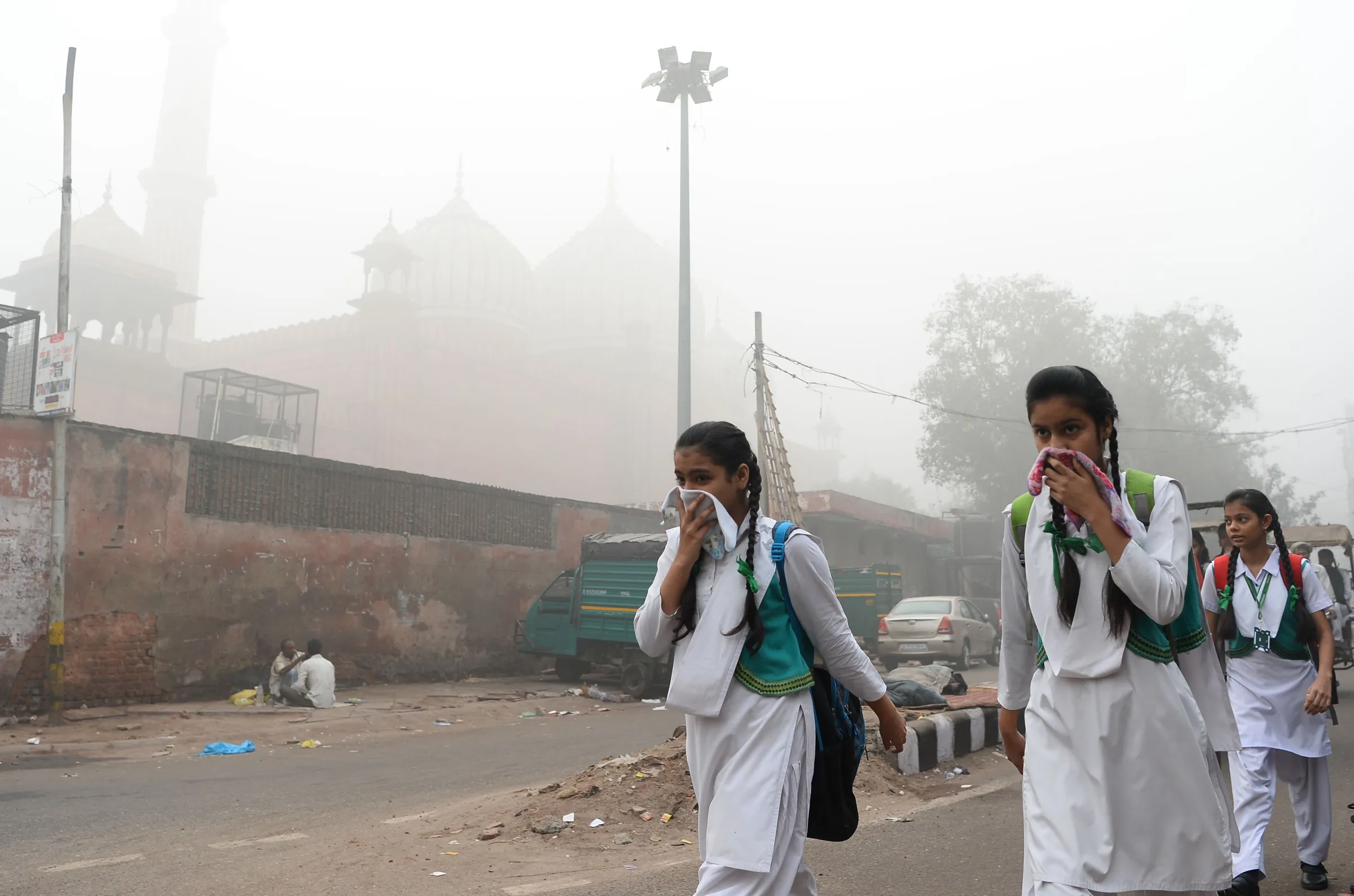
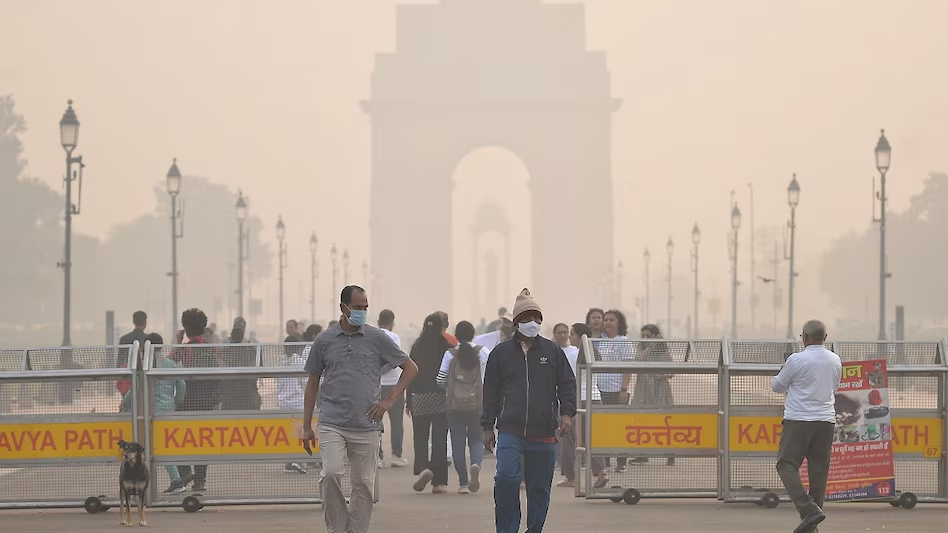
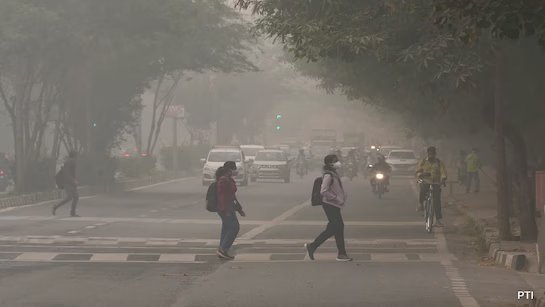
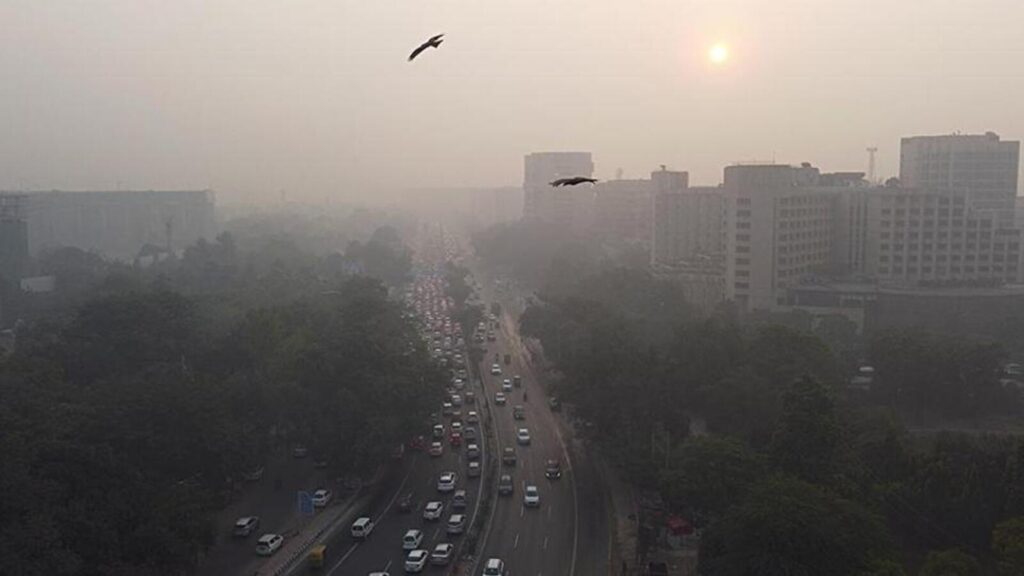
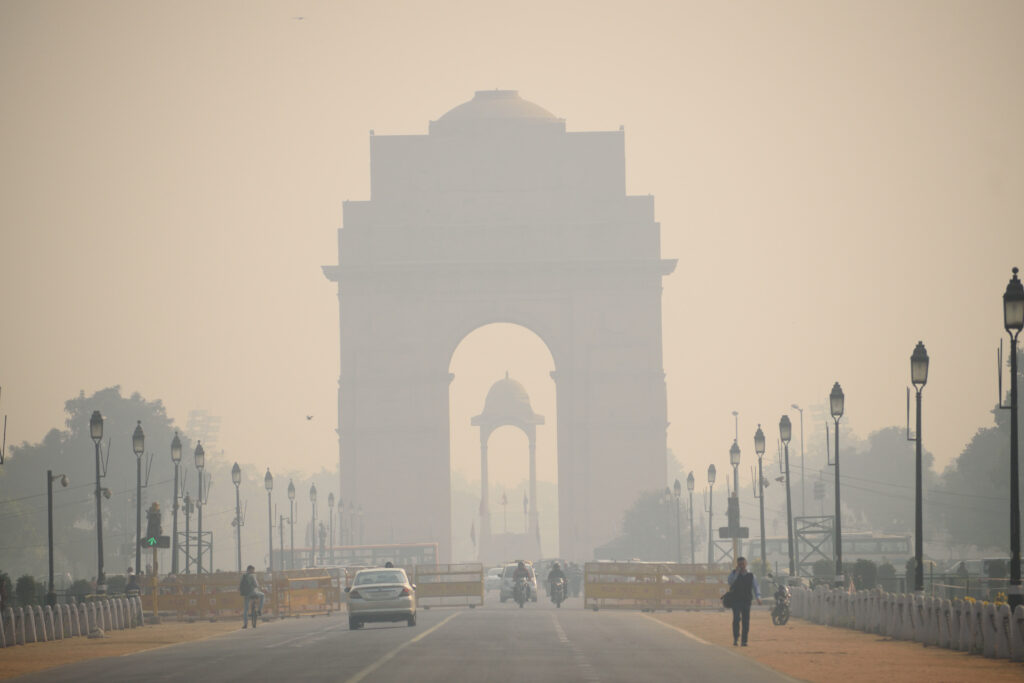
Every winter, Delhi transforms into a city under siege. Thick smog cloaks the skyline, and millions of residents wake up coughing, with itchy eyes and irritated throats. Delhi pollution isn’t just an environmental crisis anymore — it’s a silent health emergency.

According to the Central Pollution Control Board (CPCB), Delhi’s Air Quality Index (AQI) often crosses 400–500, which falls under the “Severe” category. This means the air is hazardous for everyone, not just those with respiratory illnesses.
Yet, amidst the despair, there’s still hope. By understanding the causes, impacts, and solutions, citizens and authorities together can bring change. This blog explores 10 powerful, proven ways to fight Delhi pollution — from everyday actions to large-scale reforms.
“We may not control the wind, but we can control how we breathe within it.”
Understanding the Severity of Delhi Pollution
Before discussing solutions, it’s important to understand why Delhi pollution gets worse every year.
The capital’s geography, dense population, and unchecked development combine to create a deadly mix. Delhi is landlocked, meaning wind circulation is limited — pollutants don’t escape easily. Combine that with emissions from vehicles, industries, and crop burning, and you have a recipe for disaster.
The World Health Organization (WHO) ranks Delhi pollution among the worst globally. Average annual PM2.5 levels are nearly 10 times higher than the safe limit. This pollution doesn’t just affect the lungs; it impacts the heart, brain, and even mental health.
Fact: Studies show that breathing Delhi’s winter air for one day equals smoking 20–25 cigarettes.
Causes of Delhi Pollution
The roots of Delhi pollution are deep and multifaceted. Let’s break down the main contributors:
1. Vehicular Emissions
Delhi has over 13 million registered vehicles, making it one of the most congested cities in the world. Exhaust gases from cars, buses, and two-wheelers contribute nearly 40% of total pollution.
2. Industrial Pollution
Industrial zones in Delhi’s outskirts release large quantities of CO₂, NO₂, and particulate matter, worsening Delhi pollution. Lack of strict emission checks and poor waste management compound the problem.
3. Construction Dust
Constant construction across the NCR region adds fine dust to the atmosphere. With weak monitoring, this dust forms a permanent haze that contributes to PM10 levels.
4. Stubble Burning
Seasonal stubble burning in Punjab and Haryana is a major cause of winter smog. It contributes up to 30% of the total Delhi pollution in October and November.
Health Effects of Delhi Pollution
Delhi pollution is more than an environmental issue — it’s a daily health hazard. Prolonged exposure leads to:
- Asthma, chronic bronchitis, and reduced lung function
- Cardiovascular diseases
- Lower immunity and fatigue
- Poor cognitive performance
- Premature aging and skin problems
Children and the elderly are the most vulnerable. According to AIIMS, children growing up in Delhi have weaker lung capacity compared to those in cleaner cities like Dehradun or Bengaluru.
“The air you breathe in Delhi doesn’t just fill your lungs — it shapes your lifespan.”
10 Powerful Solutions to Reduce Delhi Pollution
1. Promote Public Transport and Carpooling
Vehicles are among the top sources of Delhi pollution. Switching to public transport, using the Metro, or carpooling can drastically reduce emissions.
Delhi’s Metro is already one of the cleanest modes of transport, saving nearly 12 lakh tons of CO₂ annually.
Pro Tip: Workplaces can encourage “Green Commute Fridays” where employees carpool or use bicycles once a week.
2. Support Electric Vehicles (EVs)
Adopting electric mobility can play a game-changing role in reducing Delhi pollution.
The Delhi EV Policy 2020 aims for 25% of new vehicle registrations to be electric by 2025. But wider EV charging infrastructure is key for faster adoption.
Case Study: In 2024, Delhi added over 1,000 electric buses, cutting diesel pollution by 14 tons daily.
3. Control Construction Dust
Construction dust accounts for nearly 30% of Delhi pollution. Covering sites, sprinkling water, and transporting debris in closed vehicles can minimize emissions.
Authorities should also introduce real-time dust monitoring systems for large-scale projects.
4. Regulate Industrial Emissions
Industries must adopt green manufacturing technologies and use electrostatic filters to reduce emissions.
According to TERI, 15% of Delhi pollution comes from industries — strict audits and penalties are necessary to enforce compliance.
5. Prevent Stubble Burning
The smoke from stubble burning in nearby states forms a thick blanket over the city.
Using alternatives like Happy Seeder machines, which allow sowing without burning, can reduce Delhi pollution significantly.
Pro Tip: Government and corporates can collaborate to rent machinery at low cost to small-scale farmers.
6. Grow More Trees and Urban Forests
Planting trees like Neem, Peepal, and Banyan naturally filters pollutants from the air.
Green walls, rooftop gardens, and city parks can act as natural “lungs” for Delhi.
Even small-scale community gardening projects can help lower local air temperature and dust levels.
7. Enforce Firecracker and Waste-Burning Bans
Diwali celebrations and open waste burning worsen Delhi pollution instantly.
Strict enforcement of bans, along with awareness campaigns in schools and local communities, is crucial to change habits.
One night of firecracker use can raise Delhi’s AQI by 200–300 points.
8. Monitor Air Quality and Issue Alerts
Delhi’s air quality monitoring system should be expanded beyond urban centers to schools, parks, and residential colonies.
Mobile apps like SAFAR and AirVisual can help citizens plan their outdoor activities safely.
Pro Tip: Avoid morning jogs when AQI levels are high; choose indoor workouts instead.
9. Focus on Indoor Air Quality
Indoor pollution is often ignored but can be equally harmful.
Using HEPA air purifiers, sealing windows, and placing air-purifying plants like Snake Plant, Money Plant, and Peace Lily can help combat indoor Delhi pollution.
ALSO READ: 5 Shocking Facts About Delhi AQI and How It Impacts Your Health
10. Collective Action and Policy Implementation
The fight against Delhi pollution needs collaboration between the government and citizens.
Policies like the Graded Response Action Plan (GRAP) should be enforced strictly during peak months.
Citizens can contribute by:
- Reporting illegal burning via the Green Delhi App
- Supporting eco-friendly brands
- Reducing personal carbon footprints
“Delhi pollution will only end when responsibility becomes everyone’s habit.”
Case Study: Gurugram’s Green Revolution
In 2023, Gurugram launched the Plant 1 Million Trees Mission, engaging schools, offices, and residents.
Within 10 months, 8 lakh trees were planted, leading to an 18% drop in PM2.5 in select regions.
This initiative proved that when citizens unite for clean air, change is measurable — and sustainable.
Conclusion
Delhi pollution is not a distant problem — it’s the air we breathe every second. The situation may look grim, but it’s not irreversible.
With coordinated action, cleaner policies, and citizen awareness, Delhi can reclaim its blue skies and healthier lungs.
“We don’t inherit clean air from our ancestors — we borrow it from our children.”
FAQs on Delhi Pollution
About the Author
Vikrant Rajput is a lifestyle and environment blogger dedicated to promoting awareness about health, fitness, and sustainability. Through his blog TheDigiDine, he empowers readers to make practical, eco-friendly changes that improve both personal well-being and the planet’s health.